Glossary
Legal words in plain English
The words you will hear in a federal case, from the first knock to the last day of supervised release, in plain English.
Print this. Copy it. Mail it to someone inside. That’s what it’s for. Just don’t sell it.
How to mail it inside, and what the mailroom rejects
Lawyers, judges and agents use these words every day and rarely stop to explain them. Each one here says what it means, what it means for the person charged, where on this site to read more, and the rule it comes from.
- 126 words, each tied to its rule
- Sorted by the stage of the case
- Print one stage’s words on their own
- Rules checked October 30, 2026
1 Every word, A to Z
All 126 words
Printing every word takes about 20 sheets. Pick one stage first, and “Print these words” takes 3 to 7.
#Numbers4 wordsFind a word
- 2241 petitionAlso called habeas corpus petition, Section 2241
A court challenge to the way the Bureau of Prisons is carrying out a sentence, such as time credits that were never counted.
It does not challenge the conviction or the sentence itself; that is what a 2255 motion is for. It is filed in the federal district where the person is held, and courts usually expect the prison’s own complaint process to be finished first.
From the book “For federal prisoners, the 2241 petition addresses only issues related to the ‘execution’ of a sentence.”
The 2255 Motion Handbook, page 21
Source 28 U.S.C. § 2241; Rumsfeld v. Padilla, 542 U.S. 426, 446–47 (2004)
See also 2255 motionAdministrative remedy
- 2255 motionAlso called Section 2255, motion to vacate
A request to the court that imposed the sentence to throw out or correct a federal conviction or sentence because of a serious legal error.
It is not an appeal, and it usually comes after one. Most claims that the defense lawyer did a poor job belong here. It usually must be filed within 1 year of the day the conviction became final, and a person generally gets only one.
From the book “A 2255 Motion challenges the validity of a federal court conviction or sentence.”
The 2255 Motion Handbook, page 12
Comes up atSource 28 U.S.C. § 2255(a), (f), (h); Massaro v. United States, 538 U.S. 500, 509 (2003)
See also Ineffective assistance of counselSecond or successive motionEquitable tollingCertificate of appealability
- 3553(a) factorsAlso called the sentencing factors, sufficient but not greater than necessary
The list of things a federal judge must weigh before choosing a sentence, set out in one section of federal law.
They include the person’s history and character, the crime itself, what the sentence needs to accomplish, the kinds of sentences available, and the guideline range. The judge must give a sentence “sufficient, but not greater than necessary.” Letters, records and the sentencing memorandum all speak to these factors.
- 5K1.1 motionAlso called substantial assistance motion, a 5K, cooperation
A request from the prosecutor asking the judge to give less time than the guideline range because the person helped the government investigate or prosecute someone else.
Only the prosecutor can file it, and the judge decides how much less. On its own it does not allow a sentence below a mandatory minimum. For that, the prosecutor must also ask under a separate law, 18 U.S.C. § 3553(e).
Source U.S. Sentencing Guidelines § 5K1.1; 18 U.S.C. § 3553(e); Melendez v. United States, 518 U.S. 120, 125–26 (1996)
See also ProfferRule 35 motionSafety valve
ALetter A10 wordsFind a word
- Acceptance of responsibilityAlso called acceptance, acceptance points
A reduction in the Sentencing Guidelines for someone who clearly admits the crime, usually by pleading guilty.
It takes 2 levels off the offense level. If the offense level was 16 or more and the prosecutor files a motion, 1 more level comes off. Someone who goes to trial and denies guilt rarely gets it, which is part of the trial penalty.
Source U.S. Sentencing Guidelines § 3E1.1(a)–(b) and application note 2
See also Open pleaTrial penalty
- Administrative remedyAlso called BP-9, BP-10, BP-11, grievance, the remedy process
The Bureau of Prisons’ written complaint process, for problems with the prison itself.
After trying to settle it informally, the person files a BP-9 within 20 calendar days of the problem. If the warden’s answer doesn’t fix it, a BP-10 goes to the region within 20 days, then a BP-11 to the central office within 30 days. Keep a copy of every form and every answer.
- AffidavitAlso called warrant affidavit, affiant
A written statement of facts that the person signs under oath.
Agents write one to get a search warrant or an arrest warrant. It tells the judge why they believe there is probable cause. The person who swears to it is called the “affiant.”
Source Fed. R. Crim. P. 4(a), 41(d)(1)
See also Franks hearingDeclaration
- AllocutionAlso called speaking at sentencing
The defendant’s chance to speak directly to the judge at sentencing, before the sentence is announced.
The judge must offer it. These are the person’s own words, not the lawyer’s. Saying nothing is allowed too, and that choice is best made with the lawyer ahead of time.
From the book “The most important part of the sentencing hearing will be when you get to speak.”
Surviving Pretrial, page 476
- AppealAlso called direct appeal
Asking a higher court, the court of appeals, to review the case for legal mistakes.
An appeal looks only at the record: what was said and filed in the district court. No new evidence comes in. In a criminal case the notice of appeal is due 14 days after the judgment is entered.
- Appeal waiverAlso called waiver of appeal, collateral attack waiver
A promise in a plea agreement to give up some or all of the right to appeal, and often the right to file a 2255 motion.
The judge must explain it at the guilty plea hearing. Even a broad waiver does not block every claim. A lawyer who ignores the client’s instruction to file a notice of appeal is ineffective, waiver or not.
Source Fed. R. Crim. P. 11(b)(1)(N); Garza v. Idaho, 586 U.S. 232 (2019)
See also Notice of appealPlea agreement
- Arraignment
The court date where the defendant gets the formal charges and enters a plea, almost always “not guilty.”
People plead not guilty here because the lawyer has seen little of the evidence yet; a plea deal, if one comes, comes later. Reading the charges out loud is usually waived, which is fine as long as the person has read them.
From the book “Just know, as with any waiver, if you don’t want to give up the right to have it read to you by the judge, then you don’t have to.”
Surviving Pretrial, page 149
- Arrest warrant
A judge’s order to arrest a person, signed when a sworn complaint or an indictment shows probable cause.
The prosecutor can ask for a summons instead, which orders the person to come to court on a set date.
Source Fed. R. Crim. P. 4(a), 9(a)
See also ComplaintProbable cause
- Attorney-client privilegeAlso called privilege, privileged
The rule that keeps private conversations between a person and their lawyer, about legal advice, out of court.
It protects the person charged, not the family. Talking about the case in front of other people, or on a recorded jail phone, can lose the protection. That is one reason the lawyer may not share details with the family.
From the book “The privilege belongs to the client, not the attorney.”
Surviving Pretrial, page 102
- AUSAAlso called Assistant U.S. Attorney, the prosecutor, the government, U.S. Attorney
Assistant United States Attorney: the federal prosecutor handling the case.
When lawyers and judges say “the government,” this is usually who they mean. Each federal district has one U.S. Attorney, and the assistants in that office handle the cases day to day.
BLetter B7 wordsFind a word
- BailAlso called bond, release, pretrial release
Being released from jail while the case goes on, under conditions the judge sets.
Federal judges rely more on conditions than on money, and a judge can’t set a money condition that keeps someone locked up. The decision is made at the detention hearing.
From the book “It is a common misconception but the federal constitution does not guarantee you ‘bail’ during a criminal case.”
Surviving Pretrial, page 143
Comes up atSource 18 U.S.C. § 3142(c)
See also Third-party custodianHouse arrestPresumption of detention
- Bail hearing
- see Detention hearing
- Base offense level
The starting number for a crime in the Sentencing Guidelines, before anything is added or taken away.
Each kind of crime has its own. Facts about the offense, the person’s role, acceptance of responsibility and other adjustments then move it up or down to the final offense level.
- Bench trialAlso called trial by the judge
A trial decided by the judge alone, with no jury.
It happens only if the defendant gives up a jury in writing, the prosecutor agrees, and the judge approves.
- Beyond a reasonable doubtAlso called reasonable doubt, burden of proof
How sure a jury must be before it can find someone guilty. It is the highest standard of proof in the law.
The government has to prove every element of the crime to that standard. If it doesn’t, the verdict must be not guilty.
- Binding plea agreementAlso called C plea, 11(c)(1)(C) agreement, agreed sentence
A plea deal with an agreed sentence or range that binds the judge once the judge accepts the deal.
If the judge rejects it, the defendant gets the chance to take back the guilty plea. Most plea deals are not binding: a prosecutor’s promise to recommend a sentence is only a recommendation.
Source Fed. R. Crim. P. 11(c)(1)(B)–(C), (c)(5), (d)(2)(A)
See also Plea agreementOpen plea
- Bond
- see Bail
- BP-9
- see Administrative remedy
- Brady materialAlso called Brady, exculpatory evidence, Giglio
Evidence that helps the defense, which the prosecutor must turn over when it matters to guilt or to the sentence.
The duty applies whether or not the prosecutor meant to hide it. It includes evidence that would make a key government witness less believable, such as a promise of leniency in exchange for testimony.
- Bureau of PrisonsAlso called BOP, the Bureau
The federal agency that runs federal prisons and holds everyone serving a federal prison sentence.
It decides which prison, calculates the release date, and runs the programs that can shorten the time served. Its inmate locator, at www.bop.gov/inmateloc, shows where someone is once they are in its custody.
Source 18 U.S.C. § 3621(a)–(b)
CLetter C16 wordsFind a word
- C plea
- see Binding plea agreement
- Cert
- see Certiorari
- Certificate of appealabilityAlso called COA
Permission needed before the court of appeals will hear an appeal from a denied 2255 motion.
It is granted only on “a substantial showing of the denial of a constitutional right.” Ask the district court first, then the court of appeals. The notice of appeal is still due within 60 days of the denial.
From the book “This certification gives you permission to have the Court of Appeals consider your proposed appellate issues.”
The 2255 Motion Handbook, page 121
Comes up atSource 28 U.S.C. § 2253(c)(1)(B), (c)(2); Fed. R. App. P. 4(a)(1)(B)
- CertiorariAlso called cert, cert petition, petition for certiorari
A request asking the U.S. Supreme Court to hear a case after the court of appeals has decided it.
It is due 90 days after the court of appeals’ judgment, and the Court chooses the few cases it takes. If no petition is filed, the conviction becomes final when the 90 days run out, and that starts the one-year clock for a 2255 motion.
Comes up atSource Sup. Ct. R. 10, 13.1; Clay v. United States, 537 U.S. 522, 532 (2003)
- Change of plea hearing
- see Guilty plea hearing
- Character letterAlso called support letter, letter to the judge
A letter to the judge, from someone who knows the person, describing who they really are.
Letters usually go to the lawyer first, early enough for the probation officer and the judge to read them. The law lets the judge consider any information about the person’s background, character and conduct.
From the book “you want quality letters that discuss you as a person by providing specific examples.”
Surviving Pretrial, page 402
- CJA lawyerAlso called panel attorney, court-appointed lawyer, appointed counsel
A private lawyer on the court’s list who is appointed, and paid by the court, for someone who can’t afford to hire a lawyer.
CJA stands for the Criminal Justice Act. A CJA lawyer and a federal public defender do the same job: one is in private practice, the other works in a defender office. Either one can be very good, or not.
- Clerk of courtAlso called the clerk’s office
The court office that receives and keeps every paper filed in a case, and keeps the docket.
The clerk’s office can confirm whether something was filed and on what date. For someone inside, a family member can make that call.
From the book “Have a family member call the Clerk of the Court to verify that your motion was filed.”
The 2255 Motion Handbook, page 80
- CommissaryAlso called the books, trust fund account, money on the books
The store inside a jail or prison, paid for from the person’s account there.
Family can add money to that account. Federal prisons take money only through the Bureau of Prisons’ approved methods, listed at www.bop.gov. County and private jails use their own vendors, so check the facility’s website first.
Source Federal Bureau of Prisons, “Communications” page, www.bop.gov
- Compassionate releaseAlso called sentence reduction, extraordinary and compelling reasons
A request to the sentencing judge to cut a prison sentence for “extraordinary and compelling reasons,” such as a serious illness.
The person must ask the warden first. They can go to court once the Bureau of Prisons’ process is finished, or 30 days after the warden got the request, whichever comes first.
Source 18 U.S.C. § 3582(c)(1)(A); U.S. Sentencing Guidelines § 1B1.13
- Competency hearingAlso called competency evaluation, competent to stand trial
A hearing on whether a defendant’s mental condition lets them understand the case and help with their own defense.
The judge must hold one when there is reasonable cause to doubt it, and usually orders an evaluation first. If the person is found not competent, the case can’t go forward while they get treatment.
Comes up atSource 18 U.S.C. § 4241(a)–(b), (d)
- ComplaintAlso called criminal complaint
A sworn statement of the basic facts of a crime, often used to start a federal case and get an arrest warrant.
An agent usually swears to it before a magistrate judge. If the person is arrested on a complaint, the formal charges, by indictment or information, must follow within 30 days of the arrest.
Source Fed. R. Crim. P. 3; 18 U.S.C. § 3161(b)
See also Preliminary hearingArrest warrant
- Concurrent and consecutiveAlso called concurrent sentences, consecutive sentences, running together
Concurrent sentences are served at the same time. Consecutive sentences are served one after the other.
Prison terms given at the same hearing run concurrently unless the judge orders otherwise or a law requires them to stack. Terms given at different times run consecutively unless the judge orders otherwise.
Comes up atSource 18 U.S.C. § 3584(a)
- Conditions of releaseAlso called release conditions, pretrial supervision
The rules a judge sets for someone released before trial, such as living at an approved address, checking in with a pretrial officer, or wearing a monitor.
The judge must choose the least restrictive conditions that will reasonably make sure the person comes to court and keeps others safe. Breaking one can lead to an arrest and being held until trial.
Comes up atSource 18 U.S.C. §§ 3142(c)(1)(B), 3148(b)
See also BailThird-party custodianHouse arrestPretrial services
- Conspiracy
An agreement between two or more people to commit a crime. The agreement itself can be a crime.
Under the general federal conspiracy law, at least one of them must also take some step toward the goal. Other conspiracy laws, such as the one for drug crimes, have their own rules.
From the book “For instance, ‘conspiracy’ is a fancy term for a criminal contract between two or more people.”
Surviving Pretrial, page 50
Comes up atSource 18 U.S.C. § 371
- ContinuanceAlso called extension, putting it off, excluding time
Putting a hearing or the trial off to a later date.
When the judge grants one because the “ends of justice” outweigh a speedy trial, that time doesn’t count toward the 70 days under the Speedy Trial Act.
From the book “Lawyers tend to waive defendants’ speedy trial rights by asking for extensions or by failing to contest extensions requested by the prosecution.”
Surviving Pretrial, page 325
Comes up atSource 18 U.S.C. § 3161(h)(7)(A)
- Cooperation
- see 5K1.1 motion
- Count
One separate charge in an indictment or information. A case can have one count or dozens.
Each count names the law it says was broken. A plea agreement says which counts the person pleads guilty to, and often which counts the prosecutor will dismiss.
Comes up atSource Fed. R. Crim. P. 7(c)(1)
- Criminal history categoryAlso called criminal history points, CHC
One of six groups, I through VI, that the Sentencing Guidelines use to rank a person’s past record.
Points for past sentences add up to a category; Category I is the least history. The category and the offense level meet on the sentencing table to give the range.
- Curcio hearingAlso called conflict of interest hearing, conflict waiver
A hearing where the judge makes sure the defendant understands a possible conflict of interest in their lawyer and still wants to keep that lawyer.
The name comes from a federal appeals court case. Federal rules also require the judge to ask questions whenever co-defendants share a lawyer, and to tell each of them about the right to a separate one.
DLetter D7 wordsFind a word
- Debrief
- see Proffer
- DeclarationAlso called unsworn declaration, declaration under penalty of perjury
A written statement signed under penalty of perjury. In federal court it can take the place of a notarized affidavit.
Federal law sets the closing words: “I declare under penalty of perjury that the foregoing is true and correct. Executed on (date).” Then the signature.
From the book “A declaration functions similarly to an affidavit and contains what is considered sworn testimony.”
The 2255 Motion Handbook, page 66
- DepartureAlso called downward departure, upward departure
A sentence above or below the guideline range for a reason listed in the Guidelines themselves.
Comes up atSource U.S. Sentencing Guidelines, Amendment 836 (effective Nov. 1, 2025); § 5K1.1
See also Variance5K1.1 motion
- DesignationAlso called being designated
The Bureau of Prisons’ decision about which prison someone will serve the sentence in.
The judge can recommend a prison, but the Bureau decides, and no court can review the choice. The law tells it to place people within 500 driving miles of home where it can, after security level, bed space and medical needs.
Source 18 U.S.C. § 3621(b)
See also Security levelSelf-surrender
- Detention hearingAlso called bail hearing, release hearing
The hearing where a judge decides whether someone charged stays locked up until trial or goes home under conditions.
It usually happens at the first court date. If either side asks to put it off, the government can get up to 3 days and the defense up to 5, not counting weekends and holidays. The person can testify, call witnesses and question the government’s witnesses.
From the book “As the name implies, the detention hearing will decide whether or not you will be held in jail for the duration of the pretrial process.”
Surviving Pretrial, page 143
Comes up atSource 18 U.S.C. § 3142(e)–(f)
See also BailPresumption of detentionPretrial servicesThird-party custodian
- Dicta
- see Holding
- Discovery
The evidence and records the prosecutor has to share with the defense before trial.
On request, it includes the defendant’s own statements, documents and objects the government will use or took from the defendant, and test reports. A judge can limit it with a protective order.
From the book “Every time the lawyer comes to see you, make sure you have at least one question regarding the discovery.”
Surviving Pretrial, page 276
- District judgeAlso called the judge, U.S. District Judge, Article III judge
The federal judge in charge of the case, who decides the motions, runs the trial and imposes the sentence.
District judges are appointed for life. A magistrate judge handles many early hearings and other work for them.
- DocketAlso called docket sheet, case docket
The court’s running list of everything filed and every hearing held in a case, in date order.
Anyone can read it on PACER. Someone in jail can write to the clerk of court for a copy, with the case number and the jail’s mailing address. Checking it every month shows whether what the lawyer said was filed really was.
From the book “You don’t want to say anything in that letter other than, ‘I am the defendant in this case, and I would like a copy of the docket sheet mailed to me.’”
Surviving Pretrial, page 272
ELetter E3 wordsFind a word
- Enhancement
Anything that raises a sentence: a Guidelines adjustment that adds levels, or a law that raises the minimum or maximum.
The presentence report lists every Guidelines enhancement it applies. Each one can be challenged with a written objection.
Comes up atSource Fed. R. Crim. P. 32(f)(1)
See also Offense levelObstruction of justiceRelevant conduct
- Equitable tolling
A rare exception that lets a court accept a 2255 motion filed after the one-year deadline.
The person must show two things: they pursued their rights diligently, and something extraordinary stood in the way of filing on time.
- Evidentiary hearing
A hearing where witnesses testify and evidence is taken, not one where the lawyers only argue.
In a 2255 case, the judge holds one when the papers can’t settle the facts, and must appoint a lawyer for a person who qualifies.
From the book “While allowed by law, evidentiary hearings are rarely granted unless there are genuine factual disputes requiring weighing evidence.”
The 2255 Motion Handbook, page 119
FLetter F8 wordsFind a word
- Factual basisAlso called statement of facts, stipulated facts
The facts showing the defendant really committed the crime they are pleading guilty to. The judge must find them before entering judgment.
In a plea agreement they are usually written out and signed. Facts admitted there can raise the guideline range, so every line deserves a careful read before anyone signs.
Comes up atSource Fed. R. Crim. P. 11(b)(3); U.S. Sentencing Guidelines § 6B1.4
- Faretta hearingAlso called self-representation, going pro se
A hearing to make sure a defendant who wants to be their own lawyer understands the dangers and is choosing it freely.
People charged with a crime have a right to represent themselves, but the judge must warn them of the risks first. The judge can appoint a standby lawyer to help.
From the book “What does representing yourself mean? Well, it means you are the captain of the defense.”
Surviving Pretrial, page 189
- Federal public defenderAlso called public defender, FPD, federal defender
A salaried lawyer in a government-funded office that defends people in federal criminal cases who can’t afford to hire a lawyer.
Each office is led by a Federal Public Defender appointed by the court of appeals, and its lawyers work only on federal cases.
From the book “Some of the most effective lawyers you will find are public defenders.”
Surviving Pretrial, page 257
Source 18 U.S.C. § 3006A(g)(2)(A)
See also CJA lawyer
- Felony
A crime that can be punished by more than one year in prison.
A federal felony has to be charged by a grand jury indictment, unless the defendant agrees in open court to an information.
Comes up atSource 18 U.S.C. § 3559(a); Fed. R. Crim. P. 7(a)–(b)
- Fifth Amendment
- see Right to remain silent
- First Step Act time creditsAlso called FSA credits, earned time credits, FTCs
Days earned by taking part in approved programs in federal prison, which can move someone to a halfway house, home confinement or supervised release sooner.
It is 10 days for every 30 days of programs, or 15 days for people rated minimum or low risk twice in a row. People convicted of certain listed crimes can’t earn them.
Source 18 U.S.C. §§ 3632(d)(4), 3624(g)
See also PATTERN scoreGood conduct timeRDAP
- ForfeitureAlso called criminal forfeiture, money judgment
The government taking property connected to a crime, as part of the sentence.
The indictment or information must warn that forfeiture will be sought. It can cover specific property or a money judgment. It is separate from a fine and from restitution.
Comes up atSource Fed. R. Crim. P. 32.2(a)–(b)
- Franks hearing
A hearing to test whether an agent lied, or recklessly ignored the truth, in the affidavit used to get a search warrant.
The defense must first make a substantial showing, with proof attached. If the false statement was needed for probable cause, the warrant falls and the evidence from the search is thrown out.
From the book “The ultra-majority of Franks hearings lose.”
Surviving Pretrial, page 182
Source Franks v. Delaware, 438 U.S. 154, 155–56, 171–72 (1978)
See also AffidavitMotion to suppress
- Frye hearing
A short hearing where the judge puts a plea offer on the record, so it is clear the defendant knew about it before turning it down.
Not every court holds them. They grew out of a Supreme Court case holding that a defense lawyer must tell the client about formal plea offers from the prosecutor.
- FSA credits
- see First Step Act time credits
GLetter G4 wordsFind a word
- Good conduct timeAlso called good time, GCT
Time off a federal prison sentence for following the prison’s rules: up to 54 days for each year of the sentence the judge imposed.
It applies to sentences of more than one year. The Bureau of Prisons awards it, and can give less or none for breaking the rules.
- Good time
- see Good conduct time
- Grand jury
A group of 16 to 23 citizens who meet in private and vote on whether the prosecutor has enough evidence to charge someone with a felony.
At least 12 must agree to return an indictment. Only the prosecutors, the witness being questioned, an interpreter if needed and a court reporter may be in the room, so the defense has no lawyer there.
From the book “A ‘grand jury’ is a jury that simply votes to approve or deny a prosecutor’s charging decision.”
Surviving Pretrial, page 52
Source Fed. R. Crim. P. 6(a)(1), (d)(1), (f)
- Guideline rangeAlso called the guidelines, Sentencing Guidelines, the range
The span of months the federal Sentencing Guidelines suggest for a case, such as 63 to 78 months.
It comes from the sentencing table, where the offense level and the criminal history category meet. Since 2005 the Guidelines have been advisory: the judge must work out the range and consider it, but can sentence outside it.
Source U.S. Sentencing Guidelines ch. 5, pt. A; United States v. Booker, 543 U.S. 220, 245–46 (2005)
- Guilty plea hearingAlso called change of plea hearing, Rule 11 hearing, plea colloquy
The hearing where the defendant pleads guilty and the judge, speaking to them directly, makes sure they understand the rights they are giving up.
The defendant may be put under oath, so every answer counts. With the defendant’s consent, a magistrate judge often holds it.
From the book “These hearings are usually conducted by a United States Magistrate Judge. That is done by consent.”
Surviving Pretrial, page 154
HLetter H4 wordsFind a word
- Habeas corpus
- see 2241 petition
- Halfway houseAlso called residential reentry center, RRC
A supervised residence in the community where people spend the last part of a federal prison sentence.
The Bureau of Prisons can place someone there for up to the final 12 months. It is still part of the prison sentence, not supervised release.
Comes up atSource 18 U.S.C. § 3624(c)(1)
- HoldingAlso called dicta, dictum
The part of a court decision that answers the legal question the court had to decide.
It is the part later cases rely on. The rest of what the judges wrote to explain themselves is called dicta. When a case is cited in a motion, the holding is what matters.
From the book “Holding refers to the specific answer to a question.”
Surviving Pretrial, page 87
Comes up atSource Surviving Pretrial, “Reading & Deciphering a Case Opinion,” page 87
- Home confinement
Serving the last part of a federal prison sentence at home, under the Bureau of Prisons’ supervision.
It can last up to 10 percent of the prison term or 6 months, whichever is shorter, and First Step Act credits can add to it. It is different from house arrest before trial, which doesn’t count toward the sentence.
- Home detention
- see House arrest
- House arrestAlso called home detention, location monitoring, ankle monitor
A release condition before trial or sentencing that keeps the person at home, usually with an ankle monitor.
Time spent on house arrest doesn’t count toward a federal prison sentence, however strict it is.
From the book “If you are placed on house arrest, you will be given a GPS monitor that cannot be removed.”
Surviving Pretrial, page 145
Comes up atSource 18 U.S.C. §§ 3142(c)(1)(B)(iv), 3585(b); Reno v. Koray, 515 U.S. 50 (1995)
See also Home confinementTime served credit
ILetter I5 wordsFind a word
- Indictment
The formal written charges against someone, voted on by a grand jury.
It lists each crime as a separate count, with the law it says was broken. It is worth reading closely, because it shows what the government says it will prove at trial.
From the book “Think of the charging document as a flashlight that lets you see your enemy for the first time.”
Surviving Pretrial, page 53
Source Fed. R. Crim. P. 6(f), 7(a), 7(c)(1)
See also Grand juryInformationSuperseding indictmentSealed indictment
- Ineffective assistance of counselAlso called IAC, Strickland claim
A claim that the defense lawyer’s work was so poor that it violated the right to a lawyer.
Two things must be shown: the lawyer’s work fell below a reasonable standard, and there is a reasonable chance the result would have been different without the mistakes. These claims usually go in a 2255 motion.
Source Strickland v. Washington, 466 U.S. 668, 687, 694 (1984); Massaro v. United States, 538 U.S. 500, 504 (2003)
- InformationAlso called criminal information
Formal charges filed by the prosecutor without a grand jury vote.
For a felony, it can be used only if the defendant gives up the right to a grand jury in open court. That often happens as part of a plea deal.
- Initial appearanceAlso called first appearance, first court date
The first time someone arrested is brought before a judge, usually a magistrate judge.
It must happen without unnecessary delay after the arrest. The judge tells the person the charge, the right to a lawyer, and the right not to make a statement.
From the book “As it turns out, the initial appearance is about the least climactic event you will experience.”
Surviving Pretrial, page 133
- InventoryAlso called receipt, property receipt, warrant return
The agents’ written list of what they took in a search. They must leave a copy, along with a copy of the warrant.
It is often left on a table in the house. After the search, it is the paper to find first, and to compare against what was there.
JLetter J2 wordsFind a word
- Jail credit
- see Time served credit
- JudgmentAlso called judgment and commitment, J&C, judgment in a criminal case
The court’s final written order in a criminal case, listing the plea or verdict, the conviction and the sentence.
Deadlines run from it: the notice of appeal is due 14 days after it is entered. The conditions of supervised release are written in it too, so keep a copy.
- Jury trialAlso called trial
A trial where 12 citizens hear the evidence and decide whether the government proved the charges.
The verdict must be unanimous. Whether to go to trial or plead guilty is the defendant’s decision, not the lawyer’s.
Comes up atSource Fed. R. Crim. P. 23(b)(1), 31(a); Jones v. Barnes, 463 U.S. 745, 751 (1983)
MLetter M5 wordsFind a word
- Magistrate judgeAlso called U.S. Magistrate Judge
A federal judge who handles early hearings and many pretrial matters for the district judge.
Magistrate judges usually hold the first court date and the detention hearing. In a 2255 case, one may hold hearings and write a report and recommendation for the district judge.
- Mandatory minimumAlso called minimum sentence, statutory minimum
The lowest sentence a law allows for a crime. The judge can’t go below it, whatever the Guidelines say.
There are only narrow ways under it: a prosecutor’s motion for substantial assistance, before or after sentencing, or the safety valve for some drug crimes.
From the book “Mandatory minimums are called ‘mandatory’ because there is no choice in the matter.”
Surviving Pretrial, page 241
Source 18 U.S.C. § 3553(e)–(f); Fed. R. Crim. P. 35(b)(4)
See also 5K1.1 motionRule 35 motion
- Miranda warningsAlso called Miranda rights, reading your rights
The warnings police must give before questioning someone in custody: the right to stay silent, that anything said can be used in court, and the right to a lawyer, free if needed.
The right to stay silent works only if the person says clearly that they are using it. Silence alone, without saying so, may not stop the questions.
Source Miranda v. Arizona, 384 U.S. 436, 467–73 (1966); Berghuis v. Thompkins, 560 U.S. 370 (2010)
See also Right to remain silent
- Motion
A written request asking the judge to order something, such as release, more time, or keeping evidence out.
The other side usually gets to answer before the judge decides. Every motion filed, and the judge’s ruling on it, shows up on the docket.
- Motion to suppressAlso called suppression hearing, suppression motion
A request asking the judge to keep evidence out of the case, usually because of how agents got it.
It must be filed before trial. Winning is rare, but a strong motion can still change the plea talks.
From the book “When the defense wants to call a foul on the prosecution for how it gathered evidence, it moves to suppress, or throw out, that evidence.”
Surviving Pretrial, page 171
NLetter N1 wordFind a word
- Notice of appeal
The short paper that starts an appeal. In a criminal case it is due 14 days after the judgment is entered.
Whether to appeal is the defendant’s decision. If the defendant asks, the lawyer must file it, even when the plea agreement waives the appeal. After a 2255 motion is denied, the deadline is 60 days.
Source Fed. R. App. P. 4(a)(1)(B), 4(b)(1)(A); Roe v. Flores-Ortega, 528 U.S. 470, 477 (2000); Garza v. Idaho, 586 U.S. 232 (2019)
See also AppealAppeal waiver
OLetter O4 wordsFind a word
- ObjectionsAlso called PSR objections
Written disagreements with the draft presentence report, due within 14 days of receiving it.
Anything left unchallenged can be accepted as fact at sentencing, and the prison system will rely on the report for years. Errors are far easier to fix now than later.
- Obstruction of justiceAlso called obstruction enhancement
A 2-level Guidelines increase for trying to interfere with the case, such as threatening a witness, destroying evidence or lying under oath.
Calls from jail are recorded, and what is said on them can be used to argue for it.
From the book “It also happens that this enhancement is levied for your conversations with family and friends on jail phones.”
Surviving Pretrial, page 424
- Offense levelAlso called total offense level
The number, from 1 to 43, that measures how serious the crime is under the Sentencing Guidelines.
It starts at the base offense level and moves up or down for the facts of the case, the person’s role, acceptance of responsibility and other adjustments. It is the row on the sentencing table.
- Open pleaAlso called pleading without a deal, straight plea
Pleading guilty without a plea agreement.
The person gives up a trial but gets no promises from the prosecutor in return. The reduction for acceptance of responsibility is usually still available.
From the book “The vast majority of people who plead guilty without a plea agreement get a reduction for acceptance of responsibility.”
Surviving Pretrial, page 369
Comes up atSource Fed. R. Crim. P. 11(a)(1); U.S. Sentencing Guidelines § 3E1.1
PLetter P15 wordsFind a word
- PACERAlso called Public Access to Court Electronic Records
Public Access to Court Electronic Records: the federal courts’ website for dockets and filed papers, at pacer.uscourts.gov.
Anyone can open an account. Pages cost 10 cents each, up to $3 for one document, and the fees are waived for anyone who runs up $30 or less in a quarter.
- Panel attorney
- see CJA lawyer
- Parole
Early release decided by a parole board. Federal parole was abolished for crimes committed since November 1, 1987.
Today a federal prison sentence is served in full, less good conduct time and other credits. Supervised release, set by the judge, follows it.
Comes up atSource Tapia v. United States, 564 U.S. 319, 325 (2011); 18 U.S.C. § 3584 (effective-date note)
- PATTERN scoreAlso called PATTERN, risk level, recidivism risk
The Bureau of Prisons’ risk score, which rates each person as minimum, low, medium or high risk of committing another crime.
It matters for First Step Act time credits: people rated minimum or low risk twice in a row earn 15 days instead of 10 for every 30 days of programs.
Comes up atSource 18 U.S.C. § 3632(a)(1), (d)(4)(A); FSA Time Credits, 87 Fed. Reg. 2705 (Jan. 19, 2022)
- Plea agreementAlso called plea deal, plea bargain, the offer
A written deal in which the defendant agrees to plead guilty and the prosecutor agrees to something in return.
What matters is what the person actually gets for the rights they give up. The judge stays out of the talks. A promise to recommend a sentence does not bind the judge unless it is a binding plea agreement.
From the book “So, if the prosecutor agrees to make a recommendation that you should get a specific sentence, or that you should get a full acceptance of responsibility reduction, or that you should fall in to a specific range of sentences, it is only a RECOMMENDATION.”
Surviving Pretrial, page 368
- Plea deal
- see Plea agreement
- Preliminary hearingAlso called prelim
A hearing where a judge decides whether there is probable cause for the charge in a complaint.
It must be held within 14 days of the first court date if the person is in custody, or 21 days if released. It doesn’t happen if a grand jury indicts first. Waiving it should get something real in return.
- Presentence reportAlso called PSR, PSI, presentence investigation report
The report a federal probation officer writes before sentencing about the person, the crime and the guideline range.
The defense gets it at least 35 days before sentencing and has 14 days to send written objections. The Bureau of Prisons relies on it long after sentencing, for the prison, the programs and more.
From the book “This report is the single most relied on document by a judge in fashioning your sentence.”
Surviving Pretrial, page 398
Source Fed. R. Crim. P. 32(c)(1)(A), (e)(2), (f)(1)
See also Probation officerSecurity level
- Presumption of detentionAlso called the presumption, rebuttable presumption
A rule that, for certain charges, the judge starts out assuming that no release conditions will be enough.
It covers, among others, drug charges with a maximum of 10 years or more and some gun charges. The defense can rebut it with evidence, such as a solid place to live, work and a third-party custodian. The book’s advice is to prepare as if it applies, whatever the charge.
- Pretrial detaineeAlso called detainee, unsentenced
Someone held in jail while their case goes on, before any sentence.
In a federal case they are in the custody of the U.S. Marshals, usually in a county or private jail that holds federal prisoners under contract.
From the book “In the law, someone who has yet to be convicted of a crime is not a traditional prisoner, but they are still held against their will and subjected to onerous conditions.”
Surviving Pretrial, page 30
Comes up atSource 18 U.S.C. §§ 4086, 4013(a)(3)
- Pretrial servicesAlso called pretrial officer, pretrial services report, bail report
The court office that looks into a person’s background after arrest and tells the judge whether they can safely be released.
Its report goes to the judge before the detention hearing, often with a recommendation. The same office supervises many people who are released before trial.
Comes up atSource 18 U.S.C. § 3154(1), (3)
- Pro seAlso called representing yourself, self-represented
Representing yourself in court, without a lawyer.
Federal law allows it. Many 2255 motions are filed this way, because there is no automatic right to a lawyer for them.
Source 28 U.S.C. § 1654; 18 U.S.C. § 3006A(a)(2)(B)
See also Faretta hearing
- Probable cause
Enough trustworthy facts to show a fair probability that a crime happened, or that evidence of one will be found in a certain place.
It is much less than proof beyond a reasonable doubt. A judge must find it before signing a search warrant or an arrest warrant.
Source Illinois v. Gates, 462 U.S. 213, 238 (1983); Fed. R. Crim. P. 4(a), 41(d)(1)
- Probation
A sentence served in the community under supervision, instead of prison.
It isn’t allowed for the most serious felonies, or for crimes where a law forbids it. It is a different thing from supervised release, which comes after prison.
- Probation officerAlso called U.S. Probation, PO
A federal court officer who writes the presentence report and later supervises people on probation or supervised release.
For the report, the officer interviews the person charged, often talks to the family, and checks records. After prison, this is the officer a person on supervised release reports to.
- ProfferAlso called proffer session, queen for a day, debrief, proffer agreement
A meeting where the person charged, with their lawyer, tells prosecutors and agents what they know, under a written agreement.
The agreement usually limits how the government can use what is said, but not completely. Many agreements let the government use the statements if the person later says something different, and the Supreme Court has upheld those terms.
Comes up atSource Fed. R. Evid. 410(a)(4); United States v. Mezzanatto, 513 U.S. 196, 210 (1995)
See also 5K1.1 motionSafety valve
- Prosecutor
- see AUSA
- Protective order
A court order that limits who can see or copy parts of the evidence in a case.
It can mean the person charged may only review some discovery with the lawyer, without keeping copies.
- PSR
- see Presentence report
- Public defender
- see Federal public defender
QLetter Q0 wordsFind a word
- Queen for a day
- see Proffer
RLetter R7 wordsFind a word
- RDAPAlso called Residential Drug Abuse Program, the drug program
The Residential Drug Abuse Program: the Bureau of Prisons’ intensive drug treatment program.
Finishing it can take up to 1 year off the sentence for someone convicted of a nonviolent offense. The Bureau decides who qualifies, and a documented history of substance use in the presentence report matters.
- Release hearing
- see Detention hearing
- Relevant conduct
Conduct that counts at sentencing even if it wasn’t charged or pleaded to, because it was part of the same crime or the same plan.
It can raise the offense level, for instance by adding drug amounts or losses from uncharged acts. Since November 1, 2024, conduct a jury acquitted the person of can’t be counted this way.
- Report and recommendationAlso called R&R
A magistrate judge’s written proposal to the district judge on how to decide a motion, such as a 2255 motion.
Either side can file written objections within 14 days of being served with it. The district judge takes a fresh look at the parts objected to.
From the book “In fact, you must file specific objections to protect any future appeal.”
The 2255 Motion Handbook, page 92
- Residential reentry center
- see Halfway house
- Restitution
Money the judge orders the defendant to pay the victims of the crime for their losses.
For many crimes, including fraud and other property crimes with an identifiable victim, it is mandatory. It is separate from a fine and from forfeiture.
- RevocationAlso called violation, violation of supervised release
When a judge ends someone’s supervised release or probation for breaking a condition, and can send them to prison.
For some violations the law requires it: having drugs or a gun, refusing a drug test, or testing positive more than 3 times in a year. There is a hearing first, with the right to ask for an appointed lawyer.
Comes up atSource 18 U.S.C. § 3583(e)(3), (g); Fed. R. Crim. P. 32.1(b)(2)
- Right to remain silentAlso called Fifth Amendment, pleading the Fifth
The right not to answer questions or make statements that could be used against you.
To use it, say so clearly. During a search, the words in guide 1A are short: “I want a lawyer. I don’t consent to any searches.” Then stop talking.
From the book “Do not talk to anyone about your case.”
Surviving Pretrial, Rule Number 2, page 19
Source U.S. Const. amend. V; Berghuis v. Thompkins, 560 U.S. 370 (2010)
See also Miranda warnings
- Rule 35 motionAlso called Rule 35(b), post-sentencing cooperation
A request from the prosecutor, after sentencing, to cut a sentence because the person helped the government.
Only the prosecutor can file it, usually within 1 year of sentencing. It can be filed later only in narrow situations, such as information the person didn’t have until later.
SLetter S15 wordsFind a word
- Safety valve
A law that lets the judge sentence below a drug mandatory minimum for people who meet every one of five conditions.
The conditions: a limited criminal record (the law sets three separate tests, and failing any one rules it out), no violence or weapon, no one killed or seriously hurt, no leadership role, and telling the government everything about the offense by the sentencing hearing.
Source 18 U.S.C. § 3553(f); Pulsifer v. United States, 601 U.S. 124 (2024)
See also Mandatory minimumProffer
- Sealed indictmentAlso called sealed, unsealed
An indictment the court keeps secret, usually until the person is arrested.
The magistrate judge can order it kept secret until the defendant is in custody or released. Once it is unsealed, it shows up on the docket.
- Search warrant
A judge’s written permission for agents to search a specific place for specific things.
It must be carried out within 14 days, and in the daytime unless the judge allowed otherwise. Agents must leave a copy of the warrant and a receipt for what they took. They don’t have to show it before the search starts.
Comes up atSource Fed. R. Crim. P. 41(e)(2)(A), (f)(1)(C); United States v. Grubbs, 547 U.S. 90, 98–99 (2006)
See also InventoryAffidavitProbable cause
- Second or successive motion
Any 2255 motion after the first one. It needs permission from the court of appeals before it can be filed.
Permission is given only for strong new evidence of innocence, or a new rule of constitutional law that the Supreme Court has made retroactive.
Comes up atSource 28 U.S.C. § 2255(h)
- Security levelAlso called custody level, camp
The Bureau of Prisons’ rating of how secure a prison someone needs: minimum (a camp), low, medium or high.
It is scored on an intake form, mostly from the presentence report, so errors in the report can follow the person into prison.
- Self-surrenderAlso called voluntary surrender
Reporting to the assigned prison on a set date, on your own, instead of being taken there by the Marshals.
The judge decides at sentencing whether to allow it. It also counts in the person’s favor on the Bureau of Prisons’ security score.
Source 18 U.S.C. § 3143(a)(1); Federal Bureau of Prisons, Program Statement 5100.08
- Sentencing memorandumAlso called sentencing memo
The lawyer’s written argument to the judge about what sentence is fair, filed before sentencing.
It tells the person’s story with proof, such as records and letters, tied to the factors the judge must weigh under 18 U.S.C. § 3553(a).
- Sentencing table
The grid in the Sentencing Guidelines that turns an offense level and a criminal history category into a range of months.
Find the row for the offense level and the column for the criminal history category. Where they cross is the range.
- SHUAlso called Special Housing Unit, the hole, segregation
The Special Housing Unit: the part of a federal prison where people are held apart from everyone else.
Someone can be placed there as punishment, or for reasons that aren’t punishment, such as an investigation or their own safety. A review hearing is held within 7 days, then every 30 days.
Comes up atSource 28 C.F.R. §§ 541.22, 541.26
- Special assessment
A fee set by law: $100 for each felony count a person is convicted of.
It is ordered at sentencing, on top of any fine or restitution.
Comes up atSource 18 U.S.C. § 3013(a)(2)(A)
- Special Housing Unit
- see SHU
- Speedy trialAlso called Speedy Trial Act, 70 days
The right to have the case tried without long delay. A federal law sets the clock at 70 days.
The 70 days run from the indictment or the first appearance, whichever is later. Many delays don’t count, such as time for pretrial motions and continuances.
- Statement of facts
- see Factual basis
- Status conferenceAlso called status hearing, pretrial conference
A short check-in hearing where the judge asks the lawyers how the case is moving.
People in custody are often not brought to it, so ask the lawyer what happened each time. It is also a chance to raise a problem, such as missing discovery, in front of the judge.
From the book “If you are in custody, it is actually common for status conferences to be held without you present.”
Surviving Pretrial, page 164
Comes up atSource Fed. R. Crim. P. 17.1
- SubpoenaAlso called grand jury subpoena
A court order to come and testify, or to hand over documents or other things.
A grand jury subpoena means the prosecutor wants testimony or records for an investigation. Talk to a lawyer before answering one.
- Substantial assistance
- see 5K1.1 motion
- Superseding indictmentAlso called superseder, they superseded
A new indictment that replaces the old one, often adding charges or people, or fixing mistakes.
The person is usually arraigned again on it. Read it side by side with the old one to see exactly what changed.
Comes up atSource Fed. R. Crim. P. 7, 10
- Supervised releaseAlso called supervision, SR, TSR
A period of supervision by a probation officer that starts the day someone leaves federal prison.
The judge sets its length and conditions at sentencing. Breaking a condition can send the person back to prison. After one year, the judge can end it early.
- Suppression hearing
- see Motion to suppress
TLetter T5 wordsFind a word
- Target letterAlso called target, subject, witness
A letter from a federal prosecutor saying the person is a target of a grand jury investigation.
The Justice Department calls someone a “target” when there is substantial evidence linking them to a crime, and a “subject” when their conduct is within the investigation. It is not a charge, and most people never get one: prosecutors are encouraged, not required, to send it.
Comes up atSource U.S. Dep’t of Justice, Justice Manual §§ 9-11.151, 9-11.153
See also Grand jurySubpoena
- The hole
- see SHU
- Third-party custodian
A responsible person who agrees to supervise someone released before trial and to report any violation to the court.
The judge has to trust that this person can make sure the defendant shows up and stays out of trouble. A close relative with a clean record and steady ties to the community is the usual choice.
From the book “This is called a ‘third party custodian.’ The more related to the person you are the better.”
Surviving Pretrial, page 336
Comes up atSource 18 U.S.C. § 3142(c)(1)(B)(i)
- Time served creditAlso called jail credit, credit for time served, prior custody credit
Credit against a federal prison sentence for days already spent locked up on the case before sentencing.
The Bureau of Prisons works it out after sentencing, not the judge. Time on house arrest, or in a halfway house under a release order, doesn’t count.
Source 18 U.S.C. § 3585(b); United States v. Wilson, 503 U.S. 329, 335 (1992); Reno v. Koray, 515 U.S. 50 (1995)
- Trial penalty
The gap between the sentence people get after pleading guilty and the usually longer one after losing at trial.
Part of it is built into the Guidelines: the reduction for acceptance of responsibility rarely goes to someone who denies guilt at trial. Whether to plead guilty or go to trial is still the defendant’s decision alone.
Comes up atSource U.S. Sentencing Guidelines § 3E1.1 application note 2; Jones v. Barnes, 463 U.S. 745, 751 (1983)
- TRULINCSAlso called prison email, federal prison email
The Bureau of Prisons’ computer system that lets people in federal prison send and receive text-only email with approved contacts.
The person inside adds the contact, and the contact accepts before any messages flow. Staff can read every message, so nothing about the case belongs in one.
Comes up atSource Federal Bureau of Prisons, “Communications” page, www.bop.gov
ULetter U1 wordFind a word
- U.S. MarshalsAlso called USMS, Marshals, USM number, register number
The federal agency that holds people arrested on federal charges until they go to prison, and moves them between jails, courts and prisons.
Each person gets a USM number, which stays with them in the Bureau of Prisons. Put it on every letter and every form.
From the book “That stands for United States Marshal Number which is the same number that you will use for everything while you are in the BOP.”
Surviving Pretrial, page 417
- USM number
- see U.S. Marshals
VLetter V1 wordFind a word
- VarianceAlso called downward variance, upward variance
A sentence outside the guideline range, based on the judge’s weighing of the factors in 18 U.S.C. § 3553(a).
Since most departures were deleted on November 1, 2025, a variance is the usual way a judge goes above or below the range. The judge must give the reasons in open court.
Comes up atSource 18 U.S.C. § 3553(a), (c); United States v. Booker, 543 U.S. 220, 245–46 (2005)
See also Departure3553(a) factors
WLetter W1 wordFind a word
- WaiverAlso called waive, waived
Giving up a right on purpose, such as the right to a preliminary hearing, a jury trial or an appeal.
A waiver of an important right must be knowing and voluntary, which is why judges ask so many questions before accepting one. Many waivers can’t be taken back later.
ZLetter Z1 wordFind a word
- Zero-point offenderAlso called zero-point reduction, 4C1.1
A person with no criminal history points. If they meet a list of conditions, the Guidelines take 2 levels off the offense level.
This reduction started on November 1, 2023. The conditions rule it out for, among others, offenses involving violence, a gun, or a leadership role.
Comes up atSource U.S. Sentencing Guidelines § 4C1.1(a); Amendment 821 (Nov. 1, 2023)
See also Criminal history category
2 Words that get mixed up
Some words sound alike and mean very different things for the person charged. Each pair links to its full entry above.
Jail or prison?
Where people are held before sentencing. In a federal case it is often a county or private jail holding people for the U.S. Marshals.
Where a federal prison sentence is served. The Bureau of Prisons runs it.
Source 18 U.S.C. §§ 4086, 4013(a)(3), 3621(a)
Complaint, indictment or information?
Sworn by an agent before a magistrate judge. Often starts the case and gets the arrest warrant.
Voted by a grand jury. Required for a felony unless the defendant agrees otherwise.
Filed by the prosecutor alone. For a felony, only if the defendant gives up the grand jury.
Source Fed. R. Crim. P. 3, 6(f), 7(a)–(b)
The first four court dates
Held first, without unnecessary delay, to explain the charge, the right to a lawyer and the right to stay silent.
Usually the same day, or 3 to 5 days later, to decide jail or home until trial.
Within 14 days if held or 21 if released, to decide if there is probable cause. Skipped if a grand jury indicts first.
After the indictment, where the defendant enters a plea, almost always not guilty.
Source Fed. R. Crim. P. 5, 5.1, 10; 18 U.S.C. § 3142(f)
Probation, supervised release or parole?
A sentence served in the community instead of prison.
Supervision after prison, set by the judge at sentencing.
Early release by a parole board. Abolished for federal crimes committed since November 1, 1987.
Source 18 U.S.C. §§ 3561, 3583; Tapia v. United States, 564 U.S. 319 (2011)
Departure or variance?
Outside the range for a reason listed in the Guidelines. Most were deleted on November 1, 2025.
Outside the range for the reasons in 18 U.S.C. § 3553(a), and now the usual way to do it.
Source U.S. Sentencing Guidelines, Amendment 836; 18 U.S.C. § 3553(a)
5K1.1, Rule 35 or safety valve?
Before sentencing. Only the prosecutor can file it, for cooperating.
After sentencing. Only the prosecutor can file it, for cooperating, usually within 1 year.
Some drug crimes. The judge decides whether all five conditions are met.
Source U.S. Sentencing Guidelines § 5K1.1; Fed. R. Crim. P. 35(b); 18 U.S.C. § 3553(f)
Appeal, 2255 motion or 2241 petition?
The court of appeals reviews the record. The notice is due 14 days after the judgment.
Filed in the sentencing court, against the conviction or the sentence, including the lawyer’s work. Usually 1 year.
Filed where the person is held, about how the Bureau of Prisons carries out the sentence.
Source Fed. R. App. P. 4(b); 28 U.S.C. §§ 2241, 2255
Public defender, CJA lawyer or hired lawyer?
A salaried lawyer in a defender office, appointed for someone who can’t afford a lawyer.
A private lawyer on the court’s list, appointed and paid by the court.
Chosen and paid by the person charged or the family.
Source 18 U.S.C. § 3006A(b), (g)
Good time, time credits or the drug program?
Up to 54 days for each year of the sentence, for following the rules.
10 or 15 days for every 30 days of programs, used toward a halfway house, home confinement or supervised release.
Up to 1 year off for finishing the residential drug program, for a nonviolent offense.
Source 18 U.S.C. §§ 3624(b), 3632(d)(4), 3621(e)(2)(B)
Restitution, fine, forfeiture or special assessment?
Paid to the victims, for their losses.
Paid to the government, as punishment.
Property tied to the crime, taken by the government.
$100 for each felony count, set by law.
Source 18 U.S.C. §§ 3013, 3571, 3663A; Fed. R. Crim. P. 32.2
House arrest, home confinement or halfway house?
Before trial or sentencing, as a release condition. Doesn’t count toward the sentence.
The end of the prison sentence, served at home. Counts as part of the sentence.
The end of the prison sentence, in a supervised residence. Counts as part of the sentence.
Source 18 U.S.C. §§ 3142(c), 3585(b), 3624(c)
Print this. Copy it. Mail it to someone inside. That’s what it’s for. Just don’t sell it.
3 Things lawyers say, and what they mean
Short phrases you may hear in a hallway, on a call or in a letter, put into plain words.
“They may throw phrases at you that you don’t understand in order to confuse you so you just ‘trust’ them. Your life is on the line here and ‘trust’ is something that must be earned, not implied.”
Surviving Pretrial, “Part Two: Criminal Law Concepts,” page 34
We’re going to waive the prelim.
What it meansThey want to skip the preliminary hearing, where a judge checks for probable cause. Ask what the person gets in return.
The government moved for detention.
What it meansThe prosecutor asked the judge to keep the person in jail until trial. That is decided at the detention hearing.
They superseded.
What it meansA new indictment replaced the old one. Compare the two for new charges or new people.
We’re continuing it. The time is excluded.
What it meansThe date moved, and the delay doesn’t count on the 70-day speedy trial clock.
It’s a C plea.
What it meansIf the judge accepts the deal, the agreed sentence binds the judge. See binding plea agreement.
You’ll get acceptance.
What it meansPleading guilty should take 2, maybe 3, levels off the offense level. See acceptance of responsibility.
The PSR is out.
What it meansThe draft presentence report has been shared. Written objections are due within 14 days.
Your guidelines are 63 to 78.
What it meansThe advisory guideline range is 63 to 78 months. The judge must consider it but isn’t bound by it.
They might file a 5K.
What it meansThe prosecutor may ask for less time because of cooperation, and only the prosecutor decides whether to file it. See 5K1.1 motion.
We’re setting up a proffer.
What it meansA meeting to tell prosecutors what the person knows, under a written agreement with limits. See proffer.
There’s an appeal waiver.
What it meansThe plea gives up most appeals. The decision to file a notice of appeal within 14 days still belongs to the defendant.
He’s been designated.
What it meansThe Bureau of Prisons has picked the prison. See designation.
It got referred to the magistrate.
What it meansThe district judge sent part of the work to a magistrate judge, who may write a report and recommendation.
She’s in the SHU.
What it meansShe is in the Special Housing Unit, held apart from everyone else. See SHU.
Missing a word?
If a lawyer, a letter or a court paper used a word that isn’t here, write to contact@survivingthefeds.com and name the word. Don’t send anything about the case itself.
This is educational information from a paralegal, not legal advice. Every case is different. Talk to a lawyer about yours.
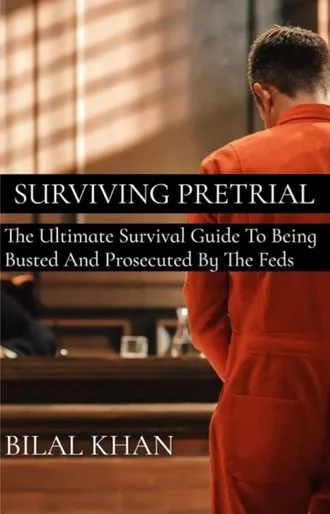
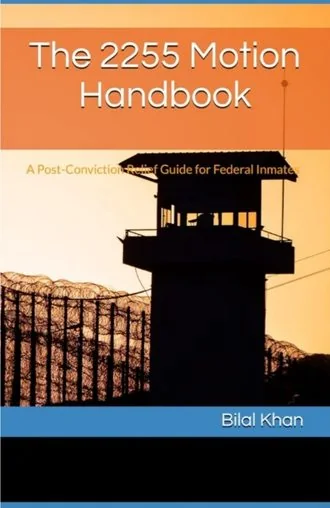
Both books explain these words where they come up in a real case: Surviving Pretrial from the arrest to sentencing, and The 2255 Motion Handbook after sentencing.